

Better car history checks: practical tips and smarter options
Clear expectations when pulling a vehicle history
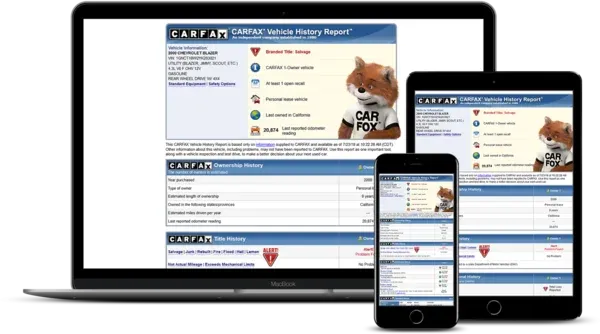
Every buyer wants a crisp, honest peek into a car’s past. Carfax has long been a go-to, but a careful reader understands a report shows events logged in specific systems, not the full truth about a car’s life on the road. The best move is to compare details from the report with the Carfax seller’s story, the vehicle’s wear, and any visible repairs. A sharp eye spots red flags like gaps in maintenance, sudden odometer changes, or repeated state inspections. The goal isn’t gatekeeping but avoiding costly surprises down the line, with decisions grounded in solid, checkered facts.
A practical lens on what a report can miss
Relying on one data stream leaves blind spots. can miss inland flood exposure, aftermarket repairs, or frame damage that wasn’t flagged by a standard VIN scan. A buyer should pair the official record with a physical inspection, history from insurance claims, and a simple test Cheap Alternative drive that probes for unusual noises or misaligned panels. In many cases, a thorough check reveals patterns—timing belts, brake service, tire wear—that hint at neglect. These clues matter more than a glossy summary, guiding a more reliable purchase path.
Why shop around for a cheaper path to insight
A Cheap Carfax Alternative might offer a complementary window into a vehicle’s past without breaking the budget. Access to additional databases, service receipts, or mechanic notes can fill gaps left by a single report. The trick is to verify credibility: compare sources, check update frequency, and verify that the data still aligns with the car’s age and market. Once a buyer sees a few credible, low‑cost reports that corroborate each other, confidence grows. Smart use of multiple sources often beats paying for a single, flashy dataset.
Turning data into a confident, informed offer
With solid records in hand, the next step is to craft a fair offer that reflects both the car’s proven history and current condition. See how maintenance intervals line up with the odometer, confirm ownership history, and note any minor issues that can be negotiated. The ability to speak candidly about risks, costs, and expected repairs strengthens the deal. A buyer who combines Carfax insights with other checks tends to dodge surprises and land a better price, paying for peace of mind rather than a best‑guess bargain.
Conclusion
In the end, the right approach blends reliability with frugality, using Carfax as one essential piece rather than the only lens. A Cheap Carfax Alternative can extend visibility, bringing in data from garages, auctions, and insurers that the main report might omit. By cross‑checking details and listening to mechanics’ notes, buyers gain a candid view of current value and looming costs. This careful mix keeps the deal grounded in reality and avoids glossy traps. For more practical checks and smarter car history tools, visit checkyourcar.net and apply the approach with a clear mind and steady nerve.