

Gentle Sound Choices: A Practical Guide for Hearing Aids for Parents
First steps: listening to the everyday
Everyday routines tell a story in a quiet room. For families, the hiss of background noise, the TV’s chatter, and the murmur of conversations can blur together. Here, hearing aids for parents become less about gadgets and more about clear moments: a phone ring answered at the door, a grandchild’s question over a hearing aids for parents dinner table, a simple instruction spoken from the kitchen. The right device stays discreet, clicks on smoothly, and sits comfortably behind the ear. It’s not about vanity; it’s about keeping a parent present in small joys and real conversations, so listening is easy, not uphill.
Choosing the right fit without overthinking the tech
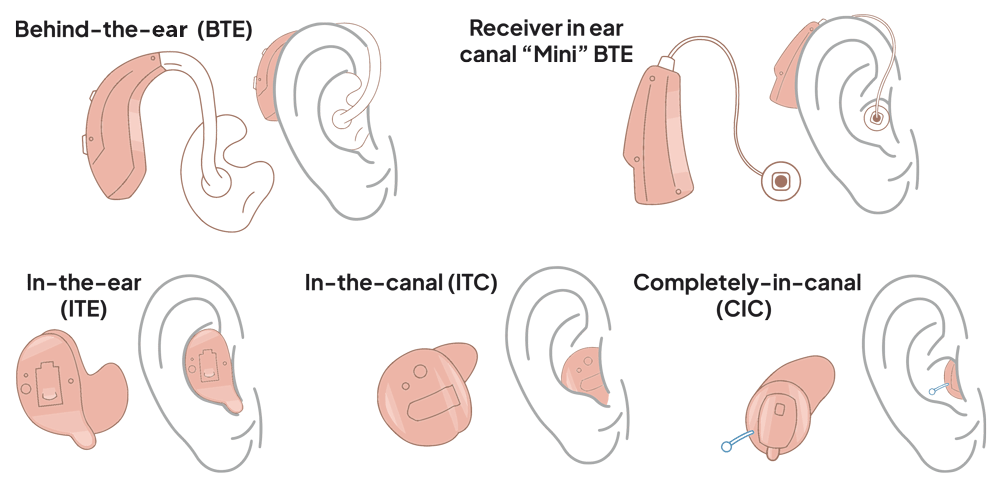
A practical approach leans on fit and real-world use. Start with a short trial, then test in the places where life happens—the kitchen, the garden, the local shop. For , comfort matters as much as volume control. Look for models with adjustable programs, a gentle wind noise powerful hearing aids for elderly reducer, and a battery that makes it through a full day. A lightweight device that’s simple to adjust by the user, and easy for a caregiver to assist with, saves time and reduces frustration. Comfort here equals better listening all day long.
Sound quality that helps, not overwhelms
Sound quality isn’t a luxury; it’s a lifeline for easy conversation. In a busy cafe or a crowded lounge, a well-tuned device should separate speech from mush and hiss. For hearing aids for parents, focus on features that restore natural tone—soft vowels, crisp consonants, warmth where needed. A good fit gives gentle amplification, not echoing or whistling. Practically, that means smoother calls, clearer TV dialogue, and less guessing about what was just said. Small crisp improvements can shift a whole day into calm, connected mode.
Maintenance made simple for daily life
Maintenance can feel like a chore, but it’s where quality lasts. A straightforward cleaning routine, a dust-free housing, and a weekly check of the battery ensure longevity. For hearing aids for parents, decide on models with accessible charging options and replaceable filters. A simple case that doubles as a storage cradle reduces the chance of misplacing the device during busy mornings. Routine care translates to fewer interruptions, fewer trips to the clinic, and more confidence in daily conversations at home and with friends outside.
Support that travels with the person
Support isn’t only about the device; it’s about the people around it. Training with a clinician, a quick family walkthrough, and a reliable service plan matter. If a parent travels or visits relatives, portability helps. For hearing aids for parents, choose compact, durable models with a carry case. A plan that includes periodic checks, software updates, and responsive help lines makes a big difference. In practice, knowledge and access give peace of mind and keep conversations flowing, even when the routine shifts or when new environments appear.
Conclusion
For families seeking practical, lasting improvements, powerful hearing aids for elderly deserve a careful balance of comfort, clarity and convenience. The aim is not flashy features but reliable performance that blends into daily life. From catching the first hello in the morning to hearing the clock tick in the quiet of night, the right device makes a tangible difference. This is about enabling shared moments, reducing listening fatigue, and helping parents stay present without strain. In real homes, well-chosen equipment translates to better communication, fewer misunderstandings, and a brighter sense of daily normalcy for everyone involved.