

Adaptogen Craft: Hands-on Paths to High-Quality Formulas
Quiet equipment, bold results in a growing field
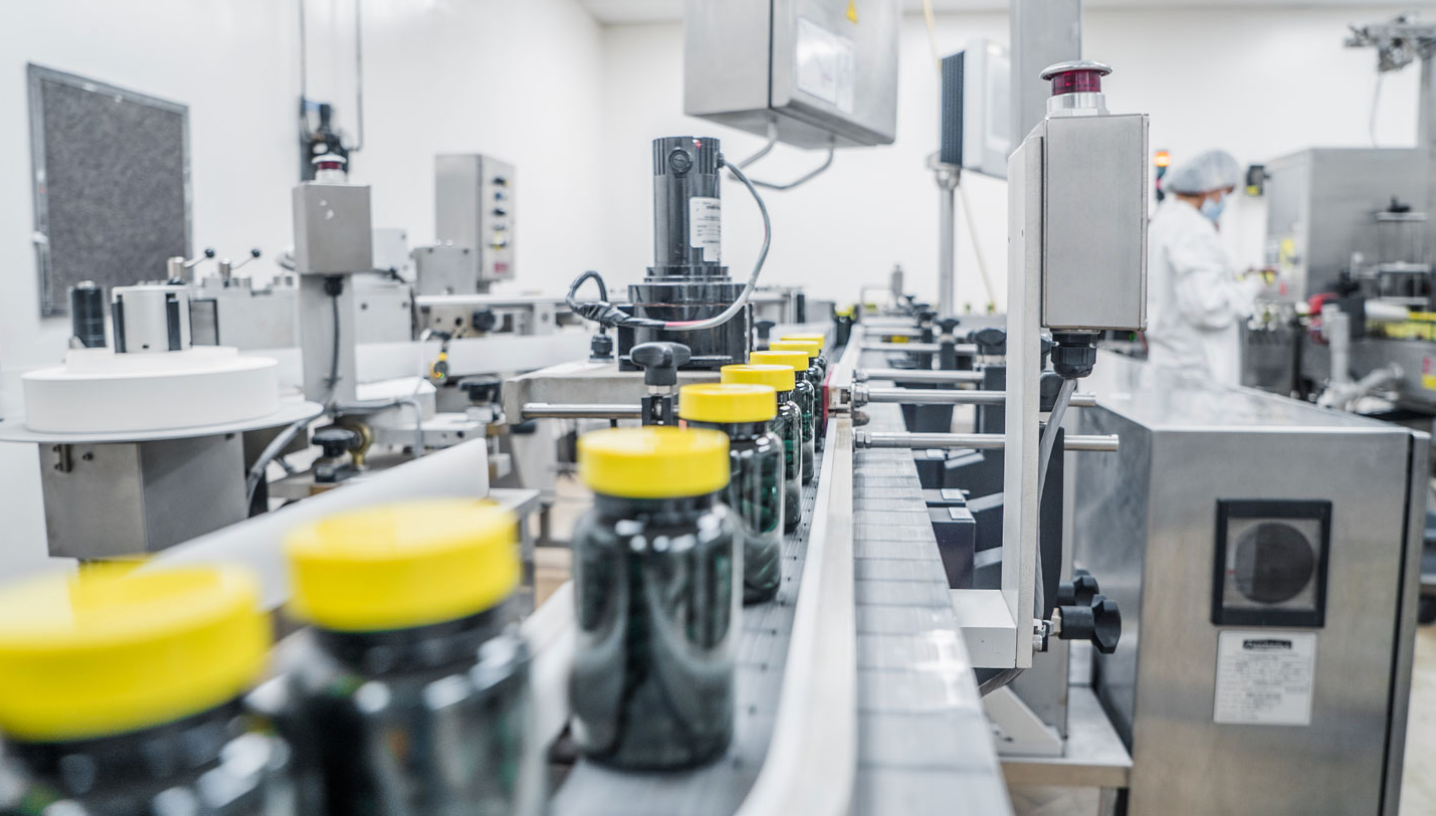
Stability is the first metric buyers notice. In adaptogen formula manufacturing, a workflow that blends precise herb sourcing with clean-room discipline makes all the difference. Small batches reveal gaps in the process—where extract strength shifts or moisture creeps in. Operators know to track batch numbers, verify moisture content, adaptogen formula manufacturing and seal jars with tamper-evident caps. Teams that document each run build trust with brands and customers alike. Practical tweaks, like pre-weighing powders and testing at two points in the line, can cut waste and raise potency without complicating the line.
From plant to pill: streamlining the blend
Simplicity matters when the focus is quality. In semi-automatic capsule filling, a deliberate tempo keeps dust low and fill accuracy high. The operator loads a hopper, and the machine dispenses measured doses into empty shells. Real-world recipes demand a clear map: which extract to which filler, how semi-automatic capsule filling long to dwell, and how to verify alignment before capping. The best teams run routine checks on capsule size, ensure desiccants are present, and keep a quiet audit trail. This approach reduces batch variance and makes audits less painful.
Quality controls that don’t slow the line
Quality checks need to fit into everyday work, not stall it. Routine solvent tests, weight checks, and visual inspections catch drift early. In this sector, controlled temperatures and air flow prevent clumping and maintain aroma integrity. Operators who track capsule fill weight within tight tolerances—and document deviations—build a culture of accountability. Cleaning schedules, allergen separation, and label accuracy all ride the same rails, so the run stays clean and compliant while still punching out steady output for the market.
Choosing partners and equipment with a practical eye
Decision makers want lines that endure. When evaluating lines for adaptogen ingredients, they weigh throughput against quality features like inline QA sensors, dust guards, and easy disassembly for sanitation. The best setups let teams swap botanicals quickly, keep downtime short, and offer predictable maintenance cycles. Real-world success hinges on a simple truth: a line that teaches the crew to plan, test, and adapt will outpace one stuck in rigid rituals. It’s a pragmatic path that respects the feel of a real herbal kiosk in motion.
Conclusion
Adaptogen formula manufacturing is not a fantasy. It’s a hands-on discipline where sourcing, dosing, and storage cohere into a reliable product line. The focus remains on repeatable blends, traceable inputs, and robust sanitation that keeps every run within spec. In practice, teams that map each step, verify outcomes, and stay curious about minor shifts tend to win long term. The industry rewards practical, measured progress and steady learning from each batch. For those eyeing a solid, scalable path, the field points to concrete approaches and tangible upgrades. supplementology.ca